
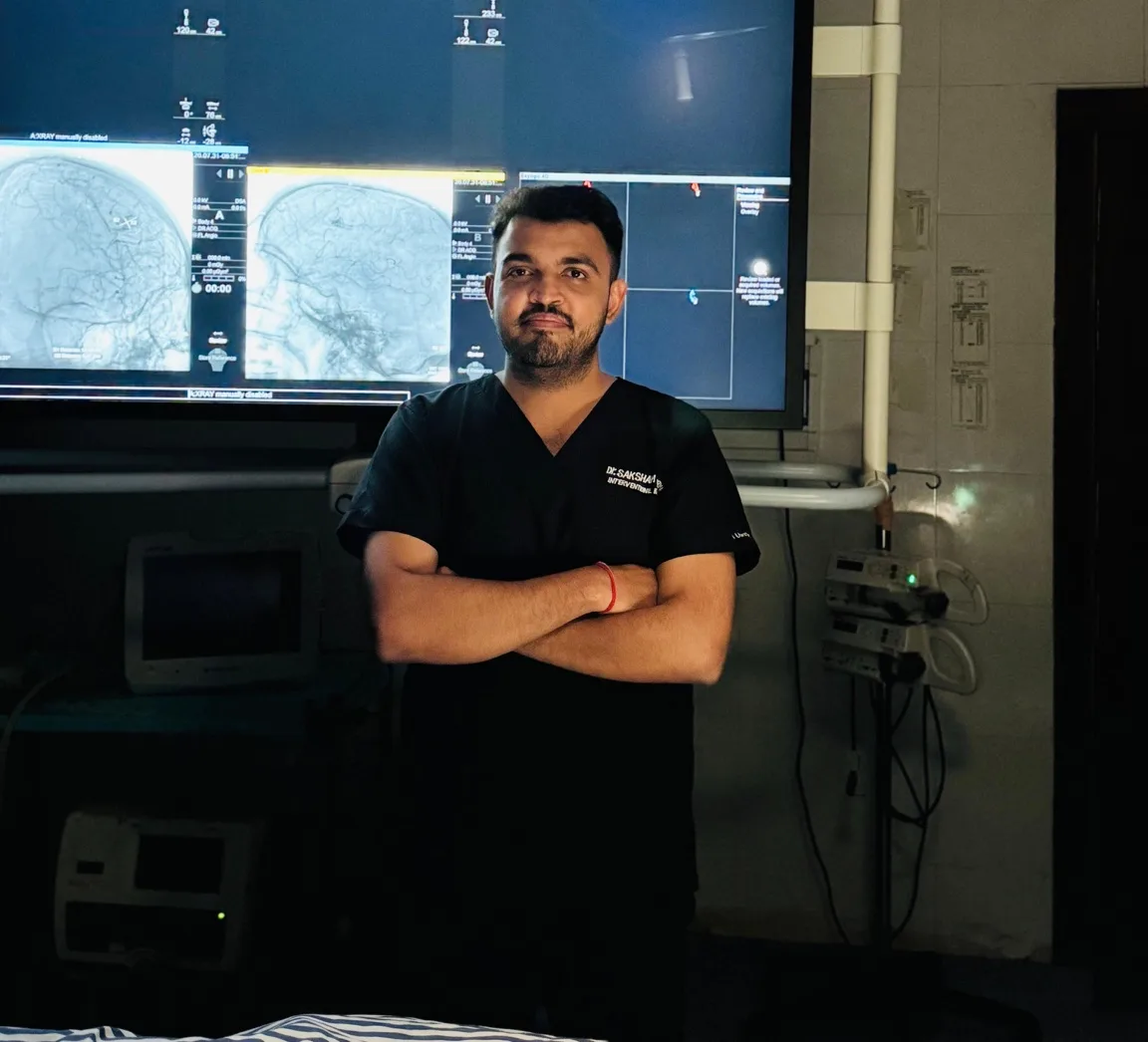
Overview
What does this procedure mean?यह क्या है?
Embolization is a minimally invasive technique in which a catheter is used to deliver an embolic material to selected blood vessels. The goal may be to control bleeding, reduce blood supply to a lesion or treat an abnormal vascular connection.
TACE (Trans Arterial Chemoembolization) एक इमेज-गाइडेड, मिनिमली इनवेसिव प्रक्रिया/उपचार है। इसका सही तरीका मरीज की बीमारी, इमेजिंग और समग्र स्वास्थ्य के अनुसार तय किया जाता है।
Symptoms / reasons you may be evaluatedलक्षण / संकेत / जांच का कारण
- Symptoms depend on the condition being treated, such as bleeding, pain, swelling or pressure
- Some vascular lesions may cause no symptoms and are found on imaging
- The underlying disease may cause organ-specific symptoms
- लक्षण बीमारी और मरीज के अनुसार अलग हो सकते हैं।
- दर्द, सूजन, कमजोरी, रक्तस्राव या अन्य संकेत होने पर चिकित्सकीय जांच जरूरी हो सकती है।
When it is considered
When might it be considered?यह कब किया जा सकता है?
It may be recommended when imaging shows a target vessel that can be safely treated and embolization is expected to achieve the intended clinical goal.
यह प्रक्रिया जांच, लक्षण, इमेजिंग और विशेषज्ञ की clinical assessment के आधार पर चुनी जाती है। हर मरीज के लिए इसकी जरूरत या उपयुक्तता अलग हो सकती है।
How do we check it?जांच कैसे की जाती है?
The specialist reviews symptoms, blood tests and vascular imaging. The anatomy and blood supply of the target are mapped before treatment.
मेडिकल हिस्ट्री, जांच, दवाओं और उपलब्ध इमेजिंग/लैब रिपोर्ट को देखकर उपचार की योजना बनाई जाती है।
How it is usually done
A catheter is navigated into feeding arteries and treatment is delivered selectively under imaging guidance.
- 1Planningयोजना और जांचPlan the target vessels from imagingरिपोर्ट और मरीज की स्थिति की समीक्षा की जाती है।
- 2Image guidanceइमेज गाइडेंसObtain small-vessel catheter accessसुरक्षित रास्ता और लक्ष्य इमेजिंग की मदद से तय किया जाता है।
- 3Treatmentमुख्य प्रक्रियाNavigate to the selected artery and deliver embolic material under imagingचयनित तकनीक/उपकरण का उपयोग करके उपचार किया जाता है।
- 4Recoveryनिगरानी और फॉलो-अपConfirm the intended reduction/occlusion of flow and monitor recoveryप्रक्रिया के बाद निगरानी और आगे की योजना बनाई जाती है।
Benefits and risks
Possible benefits / goalsसंभावित लाभ / उद्देश्य
- Can reach selected vessels through a small catheter access
- May control bleeding without open surgery in appropriate cases
- Can selectively reduce blood supply to a lesion
- The endpoint can be checked with angiography
- उपचार का लक्ष्य संबंधित बीमारी या लक्षण को नियंत्रित करना होता है।
- चयनित मरीजों में कम इनवेसिव तरीके से उपचार का विकल्प मिल सकता है।
- परिणाम मरीज की बीमारी, anatomy और उपचार की प्रतिक्रिया पर निर्भर करते हैं।
Risks & things to knowजोखिम और सीमाएँ
- Pain or post-embolization symptoms depending on the organ
- Bleeding or bruising at the access site
- Non-target embolization or vessel injury are uncommon but important risks
- Other risks depend strongly on the organ and indication
- हर प्रक्रिया में कुछ संभावित जोखिम होते हैं और ये प्रक्रिया के अनुसार अलग होते हैं।
- परिणाम की गारंटी नहीं दी जा सकती; कुछ मरीजों में आगे उपचार की जरूरत हो सकती है।
- विशेष जोखिम और विकल्प आपकी जांच के बाद विशेषज्ञ समझाते हैं।
Before and after
Before the procedureप्रक्रिया से पहले
- Bring relevant reports, scans and medication details.
- Tell the specialist about allergies, blood thinners and important medical history.
- Follow any fasting, medication or preparation instructions given specifically to you.
- Arrange an accompanying person if the clinic advises this because of sedation or the expected recovery.
- संबंधित रिपोर्ट, स्कैन और दवाओं की जानकारी साथ लाएं।
- एलर्जी, blood thinners और महत्वपूर्ण मेडिकल हिस्ट्री बताएं।
- उपवास या दवाओं के विशेष निर्देशों का पालन करें।
- जरूरत होने पर साथ आने वाले व्यक्ति की व्यवस्था करें।
After the procedureप्रक्रिया के बाद
Recovery depends on the organ treated and the amount of embolization. Follow the specific instructions about pain medicines, activity, hydration and follow-up.
प्रक्रिया के बाद गतिविधि, दवाओं, घाव/एक्सेस साइट और फॉलो-अप के बारे में दिए गए व्यक्तिगत निर्देशों का पालन करें।
Important: This is general patient education, not a diagnosis or personalised treatment recommendation. Benefits, alternatives, risks and expected outcomes should be discussed with the treating specialist.महत्वपूर्ण: यह सामान्य मरीज-शिक्षा है, व्यक्तिगत निदान या उपचार की सलाह नहीं। लाभ, विकल्प, जोखिम और संभावित परिणामों के बारे में विशेषज्ञ से चर्चा करें।
Questions about this procedure
What problem does TACE (Trans Arterial Chemoembolization) aim to treat or diagnose?TACE (Trans Arterial Chemoembolization) किन समस्याओं के उपचार या जांच के लिए किया जाता है?
Embolization is a minimally invasive technique in which a catheter is used to deliver an embolic material to selected blood vessels. The goal may be to control bleeding, reduce blood supply to a lesion or treat an abnormal vascular connection.
इस प्रक्रिया का उद्देश्य संबंधित बीमारी की जांच या उपचार करना है। इसकी उपयुक्तता आपकी clinical assessment पर निर्भर करती है।
What tests are usually reviewed before TACE (Trans Arterial Chemoembolization)?TACE (Trans Arterial Chemoembolization) से पहले आमतौर पर किन जांच रिपोर्टों की समीक्षा की जाती है?
The specialist reviews symptoms, blood tests and vascular imaging. The anatomy and blood supply of the target are mapped before treatment.
उपलब्ध रिपोर्ट, इमेजिंग, लैब टेस्ट और मेडिकल हिस्ट्री के आधार पर योजना बनाई जाती है।
What should I expect after TACE (Trans Arterial Chemoembolization)?TACE (Trans Arterial Chemoembolization) के बाद मुझे क्या उम्मीद करनी चाहिए?
Recovery depends on the organ treated and the amount of embolization. Follow the specific instructions about pain medicines, activity, hydration and follow-up.
प्रक्रिया के बाद रिकवरी आपकी स्थिति और प्रक्रिया पर निर्भर करती है। आपको व्यक्तिगत follow-up निर्देश दिए जाएंगे।
How is the target vessel identified?लक्षित रक्तवाहिका की पहचान कैसे की जाती है?
Angiography and pre-procedure imaging are used to map the relevant vessels so the treatment can be directed as selectively as possible.
इस सवाल का सही उत्तर आपकी बीमारी, इमेजिंग और उपचार योजना के अनुसार विशेषज्ञ बताएंगे।

Speak with Dr. Saksham Sharma
To discuss whether this procedure is suitable for you, call the clinic or send a message.